
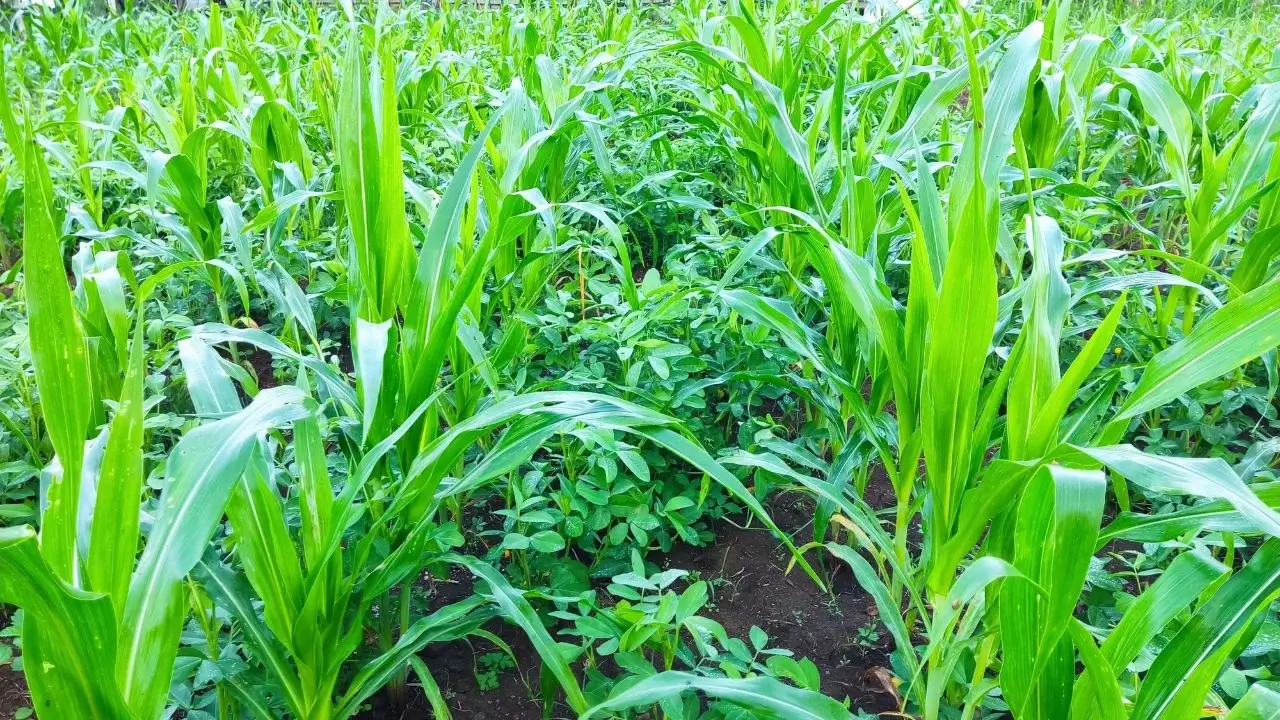
Interseeding cover crops is familiar to many corn producers, where growers seed additional species among row crops to feed livestock, diversify income, draw pollinators, and return nutrients to the soil. The same approach can help smaller operations become more resilient, whether the goal is integrated pest management, healthier soil, or an added revenue stream. Across scales, interseeding offers notable gains for fields and pastures.
Increase the Field’s Output with Interseeding Cover Crops
On large farms, interseeding rye or barley between corn rows is a common strategy that can yield two or three marketable crops from the same acreage. Smaller farms can apply the same principle with companion plantings such as tomatoes with beans, cabbage with onions, or pairing a high-value crop with a cut-flower that attracts pollinators.
Timing is critical. For corn and other grains, plantings must be staged so shorter species receive enough light. On small plots, arranging shorter crops on the south side of taller rows can help. Planting beets alongside carrots, for example, can produce a second saleable crop with modest added effort because the paired crops support one another.
Provide Fodder for Animals
On mixed crop-livestock operations, interseeding cover crops between rows can build a forage reserve for winter. The reverse approach is also used, with ranchers seeding legumes into native grass stands to ensure both feed for animals and a harvestable crop.
Producers that rely on turkeys or guinea hens for grasshopper control can interplant species that draw those birds to problem areas. Leafy greens, clover, and millet are straightforward options and also suit free-range chickens. In silvopasture and agroforestry systems, interseeding native grasses within timber stands helps bring livestock under canopy for protection from heat, cold, and wind, while providing light grazing as they shelter.
Suppress Weeds
Weed pressure is a persistent issue on frequently tilled ground, and managing it each spring can be labor intensive. Since bare soil rarely stays bare for long, pairing row crops with fast-covering species is an effective tactic.
Legumes can enrich soil between rows, with nutrients moving into adjacent beds over time. Peas, oats, and clover are quick to cover inter-row areas, while beans offer rapid cover, soil improvement, and a potential bonus crop. For farms focused on restoration, native ground covers provide wildlife shelter, support soil microflora, and, when flowering, bolster native insects that contribute to natural pest control.
Improve Soil Composition
Between high-demand production cycles, growers can chop and drop interseeded cover crops and incorporate them to rebuild soil that intensive seasons may deplete. Large operations use this to maintain fertility where monocropping has drawn down nutrients.
On smaller farms, cover crops serve multiple roles at once, from weed suppression and nutrient cycling to attracting beneficial insects and birds. Some species can also help remediate soils by drawing certain contaminants into plant tissues. Interseeding aids soil conservation too. On slopes, quickly establishing covers help hold topsoil and limit erosion, providing tangible benefits on steep terrain.
Bring in Beneficials
Planting flowers for pollinators and species that support beneficial insects is among the most effective interseeding cover crops strategies for integrated pest management. Native plants are a plus, drawing often overlooked solitary bees, flies, wasps, and beetles, although well-adapted noninvasive species can also work.
Umbel-shaped flowers attract parasitic wasps, hoverflies, and lady beetles that prey on aphids. Avoid invasive plants to prevent hard-to-control spread. Color matters as well, with bees often drawn to blue and purple, moths to white, and butterflies to a broader palette. Local Native Plant Society chapters can help identify regionally appropriate species and high-impact plantings for working lands.
Growers interested in next steps can also consider how to manage and terminate these systems in ways that protect soil structure, as discussed in how to kill cover crop plantings while preserving soil. For producers balancing multiple goals on working landscapes, interseeding can become a central tool in long-term farm planning.