
North Korea Russia war ties are deepening, with Kyiv’s intelligence service saying Pyongyang has sent a missile unit to support Moscow’s campaign against Ukraine. The move would mark North Korea’s most significant involvement in a foreign conflict since the 1950s.
Here is what is known about the expanding military relationship:
Latest on North Korea Russia war involvement
A Ukrainian GUR military intelligence official said a North Korean missile unit has begun deploying to western Russia, potentially fielding up to 120 ballistic missiles and six launchers for strikes on Ukraine. The unit is said to include about 90 North Korean personnel and is expected to be based in Russia’s Voronezh region. A source familiar with the matter said the United States is aware of the deployment.
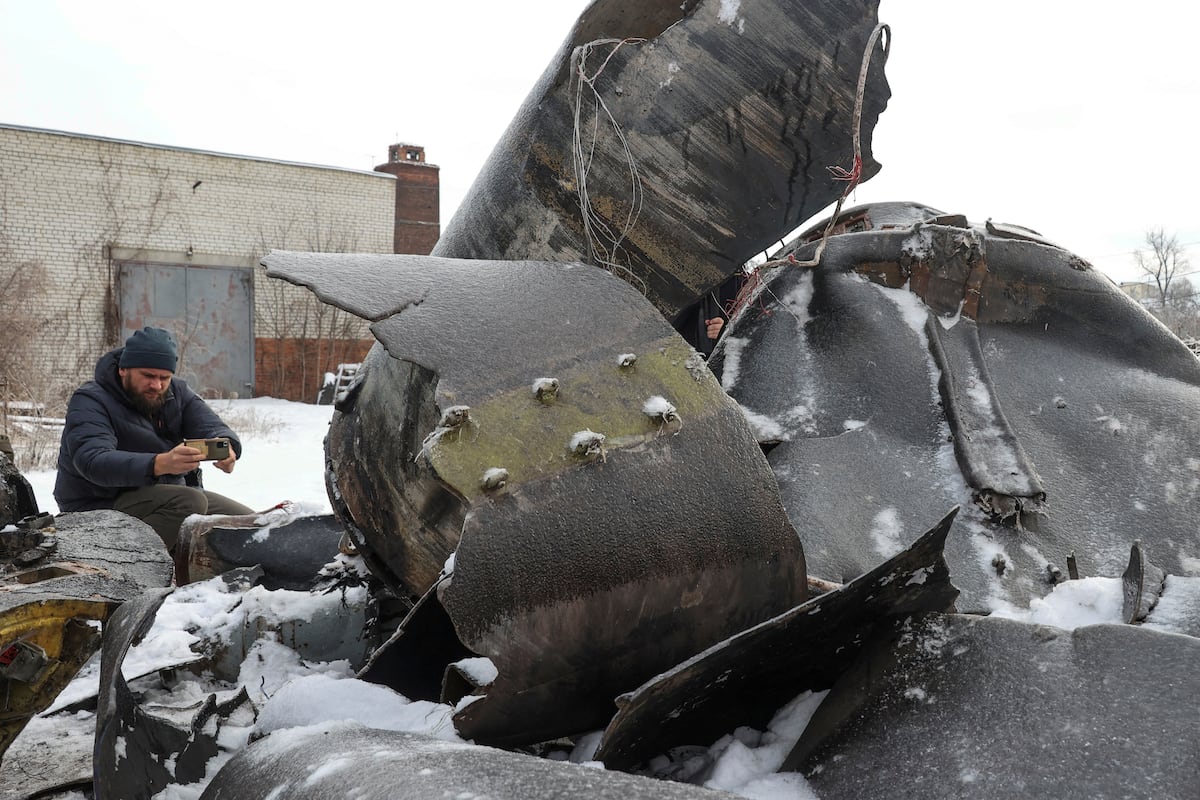
The Ukrainian official said 40 North Korean missiles have already been supplied, at least two of which were fired at Ukraine last week during a deadly strike. In July, Ukrainian President Volodymyr Zelenskyy said Russia sought to bring in 30,000 North Korean troops and was preparing facilities in Voronezh to receive them. That assertion could not be independently verified.
How many North Korean troops were sent in 2024?
According to Ukrainian and South Korean estimates, North Korea dispatched roughly 14,000 to 15,000 soldiers to Russia’s Kursk region, aiding Moscow’s forces in repelling a surprise Ukrainian ground incursion. In April 2025, both Russia and North Korea confirmed that North Korean troops had fought Ukrainian forces in Kursk.
Russia’s top military commander praised their role after Moscow announced it had retaken territory in the region, while Pyongyang said the deployment was ordered by leader Kim Jong Un. The Ukrainian official said this month that about 9,500 North Korean troops remain in Kursk, though they are not directly engaged in operations against Ukraine.
Other personnel North Korea said it would provide
In June 2025, Russian Security Council Secretary Sergei Shoigu said North Korea would send 1,000 sappers and 5,000 military construction workers to Kursk to clear mines and help rebuild infrastructure damaged by fighting. That same month, South Korean lawmakers, citing a National Intelligence Service briefing, said North Korea appeared to have begun recruiting for an additional deployment to Russia while continuing to supply artillery ammunition and missiles in exchange for economic cooperation and technical assistance.
It remains unclear how many engineers, deminers or extra troops have arrived in Russia, or whether they have been used in combat roles.
Weapons supplied by North Korea
Ukrainian and independent assessments say North Korea has provided Russia with millions of artillery and mortar rounds, ballistic missiles, long-range artillery and multiple-launch rocket systems. An analysis conducted with the British-based Open Source Centre found that four Russian-flagged cargo ships made 64 trips to North Korea’s Rajin port between September 2023 and March 2025, delivering nearly 16,000 containers of ammunition to Russian ports.
Ukrainian officials said North Korea has been supplying about half of the munitions Russia needs at the front. Ukraine’s military intelligence agency reported that since mid-2023, Pyongyang has shipped 4 million artillery shells, excluding mortar rounds, and had supplied 148 KN-23 and KN-24 ballistic missiles by early 2025.
Why Pyongyang is aiding Moscow
Russian President Vladimir Putin and North Korean leader Kim signed a comprehensive strategic partnership during Putin’s June 2024 visit to Pyongyang. The accord includes a mutual assistance clause if either country faces external aggression. North Korea has framed its military support as assistance to a treaty partner. In May 2025, Kim said participation in the war was justified as an exercise of sovereign rights in defense of a “brother nation.”
Analysts say Pyongyang stands to gain hard currency, oil and other economic relief, as well as access to Russian military technology and battlefield experience. North Korean soldiers have encountered drones, electronic warfare, artillery coordination and modern tactics, while its missile and ammunition producers have been able to evaluate their systems under wartime conditions.
International reaction
The United States and allied governments say the troop deployments and arms transfers violate U.N. Security Council resolutions on North Korea. Pyongyang has been under U.N. sanctions since 2006 over its nuclear and ballistic missile programs. The measures prohibit countries from hosting North Korean trainers, advisers or other officials for military, paramilitary or police training.
Washington imposed additional sanctions in December 2024 on North Korean and Russian entities tied to Pyongyang’s military and financial support for Moscow. South Korea also blacklisted individuals and entities linked to illicit military cooperation between the two countries. NATO has warned that Russia’s strengthening military and economic ties with North Korea, China and Iran pose risks extending beyond Europe to the Indo-Pacific and North America.