
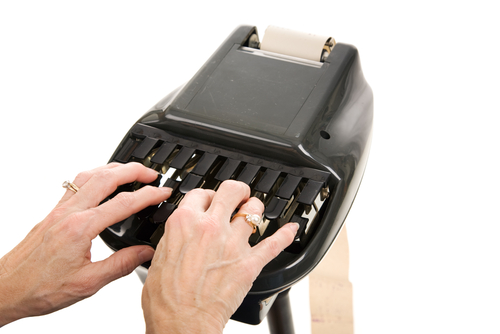
The California Supreme Court electronic recording requirement now applies in state trial courts that do not have enough court reporters, ensuring indigent civil litigants can obtain an official record without hiring a private stenographer.
In a unanimous opinion issued Aug. 10, Chief Justice Patricia Guerrero wrote that state law, which generally restricts the use of electronic recording in civil matters, contains an implied exception for litigants who cannot afford a reporter. According to the court, when an official court reporter is unavailable and a party requests an official verbatim record while demonstrating financial inability to pay for a private reporter, a superior court must provide a means to create that record. Guerrero stated that this includes electronic recording and that courts have no discretion to refuse.
California Supreme Court electronic recording and reporter shortages
The Judicial Branch of California reports an ongoing shortage of court reporters. Courts have tried to expand staffing through hiring bonuses and other incentives, but retirements and potentially higher private-sector pay have made it difficult to keep pace, according to legal industry accounts.
The decision clarifies that access to an official record cannot depend on a litigant’s ability to pay, and it directs trial courts to use electronic recording when necessary to protect that access in civil proceedings.
Context on court reporting
The ruling arrives amid broader pressures on the court reporting profession and debates over technology in the courtroom. Reporter vacancies have persisted across the state, and stakeholders continue to weigh traditional stenography, recruitment efforts, and emerging recording technologies as part of the solution.