
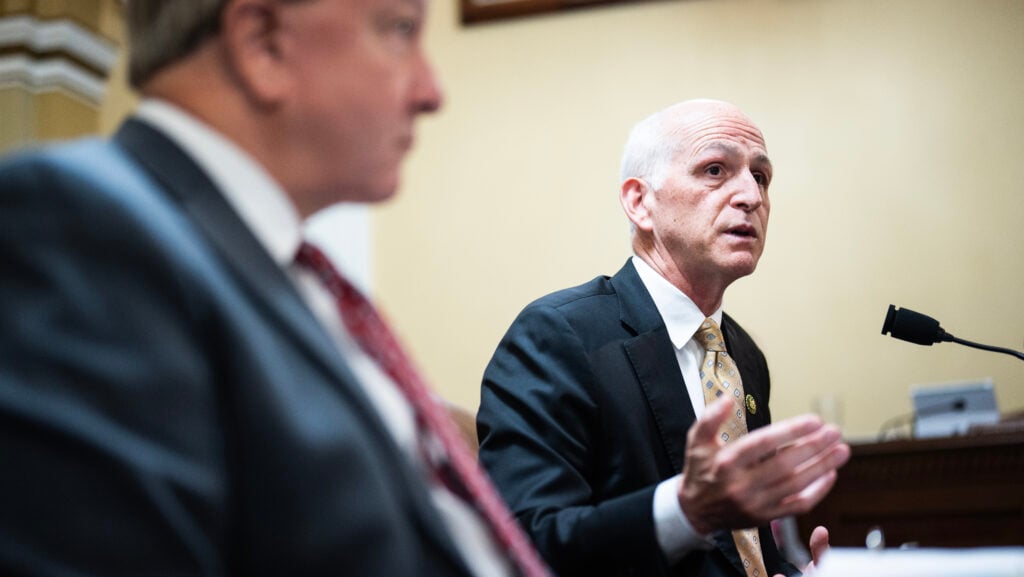
WASHINGTON — The House on Thursday approved the 2027 NDAA on a 216-212 vote, moving forward a $1.15 trillion defense policy measure after Republican leaders backed a plan to later pair it with a separate voter eligibility proposal.
House Armed Services Committee Chairman Mike Rogers, R-Ala., told colleagues ahead of the vote that the bill is one step in a longer process. He said he expects bipartisan work to continue in conference to deliver a version that can clear both chambers and reach the president’s desk. Seven Republicans opposed final passage, while six Democrats voted in favor, according to the tally.
2027 NDAA advances key policy provisions
The vote followed a day of amendment debate that added several high-profile provisions. Members approved language creating a presumption of approval for U.S. service members and civilian employees to carry firearms on military installations. The chamber also backed reauthorization of the Defense Production Act through 2031 and adopted a measure to bar TRICARE from covering certain gender-related medical procedures and treatments for uniformed personnel.
Lawmakers defeated multiple proposed changes, including an amendment to restrict Ukraine Security Assistance funding, which failed by a wide margin.
The National Defense Authorization Act sets policy and authorizes topline funding but is distinct from the annual appropriations bill. For fiscal 2027, the Pentagon requested a record $1.5 trillion defense budget, split between a $1.15 trillion base and $350 billion in a reconciliation account. The House-passed bill authorizes $1.15 trillion for next year, includes right-to-repair provisions, and allocates $500 million for a second destroyer.
Senate action on 2027 NDAA remains stalled
The Senate Armed Services Committee advanced its own $1.14 trillion FY27 policy measure in June. However, Senate Democrats have prevented it from reaching the floor, citing opposition to the war with Iran and concerns over the pace of defense spending growth.
If the Senate approves its version, negotiators from both chambers would convene to reconcile differences before final up-or-down votes in the House and Senate on a unified bill.