
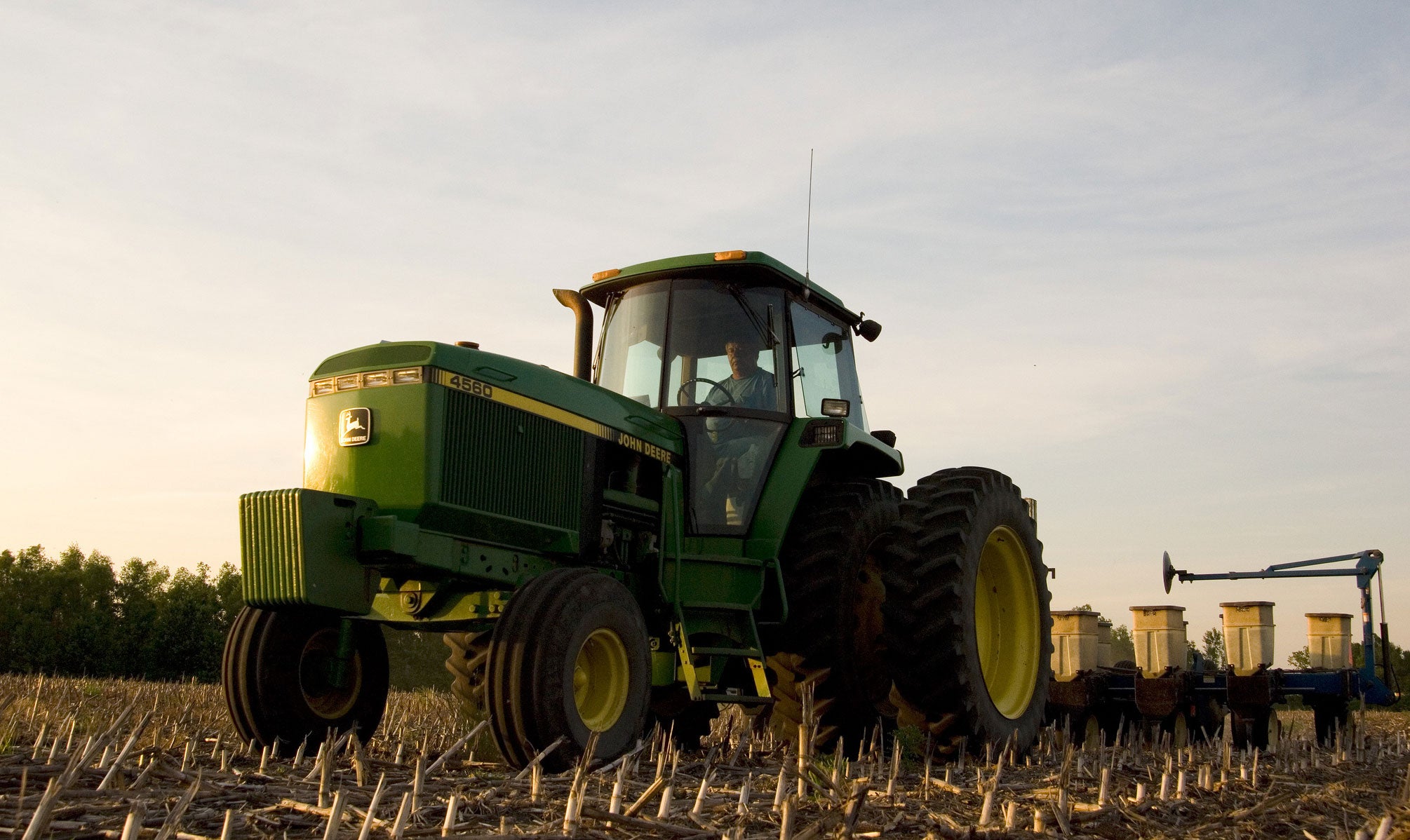
American farmers paid sharply higher planting diesel costs during the 2026 season, with total spending estimated at $1.4 billion more than a year earlier, according to a July analysis by the congressional Joint Economic Committee Minority.
Planting diesel costs jump 63.2% nationwide
The committee’s staff estimated that diesel expenses tied to planting corn, soybeans, wheat, cotton, and rice rose 63.2 percent nationally between the 2025 and 2026 planting seasons, reflecting higher fuel prices.
States with the largest increases
Illinois recorded the biggest overall increase, at an estimated $163.2 million, followed by Iowa at $151.1 million and Minnesota at $101.7 million. Florida led by percentage increase at 90.6 percent, with Alabama at 86.2 percent and Oklahoma at 85.9 percent.
The calculations were limited to diesel used for planting the five major crops listed above. The committee noted the figures do not include other war-related cost increases, such as operating diesel generators for some greenhouses or higher pump prices affecting the transport of goods to market.
Refilling common equipment cost more
At peak diesel prices during the 2026 planting season, farmers on average paid more to refill common equipment compared with the same period in 2025, the analysis estimated:
- $1,538 more to refill a typical 750-gallon on-farm fuel tank.
- $205 more to fill a typical grain truck.
- $250 more to fill a typical tractor.
Geopolitical pressures on fuel markets
The committee’s Democratic minority staff linked the rise in prices to market reactions following military strikes on Iran, adding to uncertainty in global oil markets and risks to key shipping routes. Roughly a quarter of the world’s seaborne oil trade transits the Strait of Hormuz, and disruptions there can influence global fuel costs.
Potential ripple effects extend beyond fuel. Industry officials have warned that fertilizer prices could remain elevated even if shipping through the strait stabilizes.
Ed Thomas, vice president of government affairs at The Fertilizer Institute, told Farm Progress that even with normal traffic restored, it could take 18 months to two years for fertilizer markets to settle.
Minnesota recorded one of the largest increases in diesel expenses, adding further pressure to farmers already navigating volatile input costs and uncertain crop outlooks.