
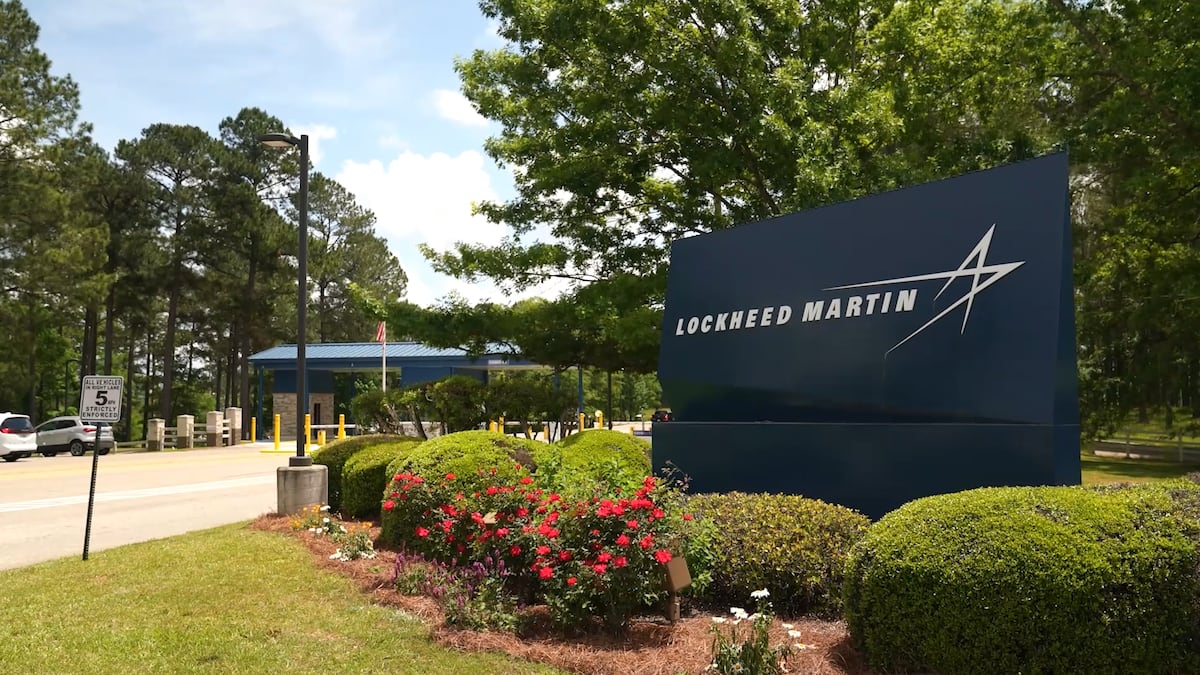
Lockheed mineral supplies are at the center of new negotiations with domestic producers, according to people familiar with the talks, as the administration seeks to reduce defense-sector dependence on China for critical materials.
People with knowledge of the matter said the world’s largest defense contractor is in discussions with NioCorp Developments for scandium and with Teck Resources and 5N Plus for germanium. Both minerals are used in military systems, including aircraft components and infrared sensors.
Any agreements would represent progress in efforts to build U.S. supply chains for key minerals. The talks face obstacles, including historically lower prices from Chinese suppliers and limited mining and processing capacity in the United States.
Lockheed, which produces the F-35 Lightning II fighter and Patriot interceptor missiles, has been under pressure to back domestic sourcing as China tightened export controls on critical minerals. Last month, the president signed an executive order that narrows the ability of defense contractors to obtain waivers to source from China and other restricted suppliers.
That policy shift has underscored the gap between U.S. mining and processing capabilities and China’s dominance, even as dozens of domestic projects advance, according to recent industry assessments.
Lockheed mineral supplies and U.S. sourcing push
Colorado-based NioCorp Developments has reached a preliminary understanding to provide Lockheed with 15 metric tons of scandium per year, according to a person familiar with the deal and documents reviewed by reporters. The arrangement, not previously disclosed, would draw from NioCorp’s Nebraska project, which is expected to start operations by 2028 with annual output of about 100 metric tons.
The prospective agreement still requires finalization. The companies already collaborate through a Pentagon-funded research initiative, similar to other Defense Department efforts such as the Pentagon GBAM challenge.
NioCorp CEO Mark Smith said both companies recognize scandium’s growing importance to U.S. defense technology. Lockheed said it values NioCorp’s work to establish a domestic scandium source.
The United States has not mined scandium since 1969. Rio Tinto is currently the only North American producer, with capacity of about nine metric tons per year.
Scandium supply talks
Separately, a second person familiar with the matter said Lockheed is negotiating with Teck Resources for germanium, a material used in infrared sensors and other military applications. Teck produces a zinc and germanium concentrate at its Red Dog mine in Alaska, which is then smelted in British Columbia to separate the metals.
Teck does not disclose annual germanium output but describes itself as the largest producer in North America and the fourth largest globally. The U.S. Geological Survey estimates global germanium consumption at roughly 60 metric tons per year and rising. The United States imports more than half of its germanium needs.
Lockheed is also in discussions with Quebec-based 5N Plus, which received Pentagon funding earlier this year to process germanium from recycled feedstock in Utah, the second person said. The talks with both Teck and 5N Plus have been underway for more than a year, with pricing and contract duration described as sticking points.
Representatives for 5N Plus were not immediately available. Teck declined to discuss specific commercial contracts but said it has agreed to work with the Canadian government to expand germanium processing in British Columbia.
Germanium negotiations
Asked about germanium discussions, Lockheed said it continually assesses the global critical minerals supply chain to ensure access to materials needed to support customer missions. One person familiar with the talks said the company is seeking long-term supply security given pressure to clarify whether inputs come from China or elsewhere.
Industry analysts note that Chinese minerals have typically been cheaper than Western alternatives due to differences in mining practices, regulatory standards and other factors. Western governments have been exploring ways to develop regional pricing mechanisms less exposed to Chinese influence, according to prior reporting.
The U.S. Geological Survey regularly tracks global production and consumption of scandium, germanium and other critical minerals; its overviews are available through the U.S. Geological Survey. Additional information on Lockheed’s defense programs can be found on the company’s official website.