
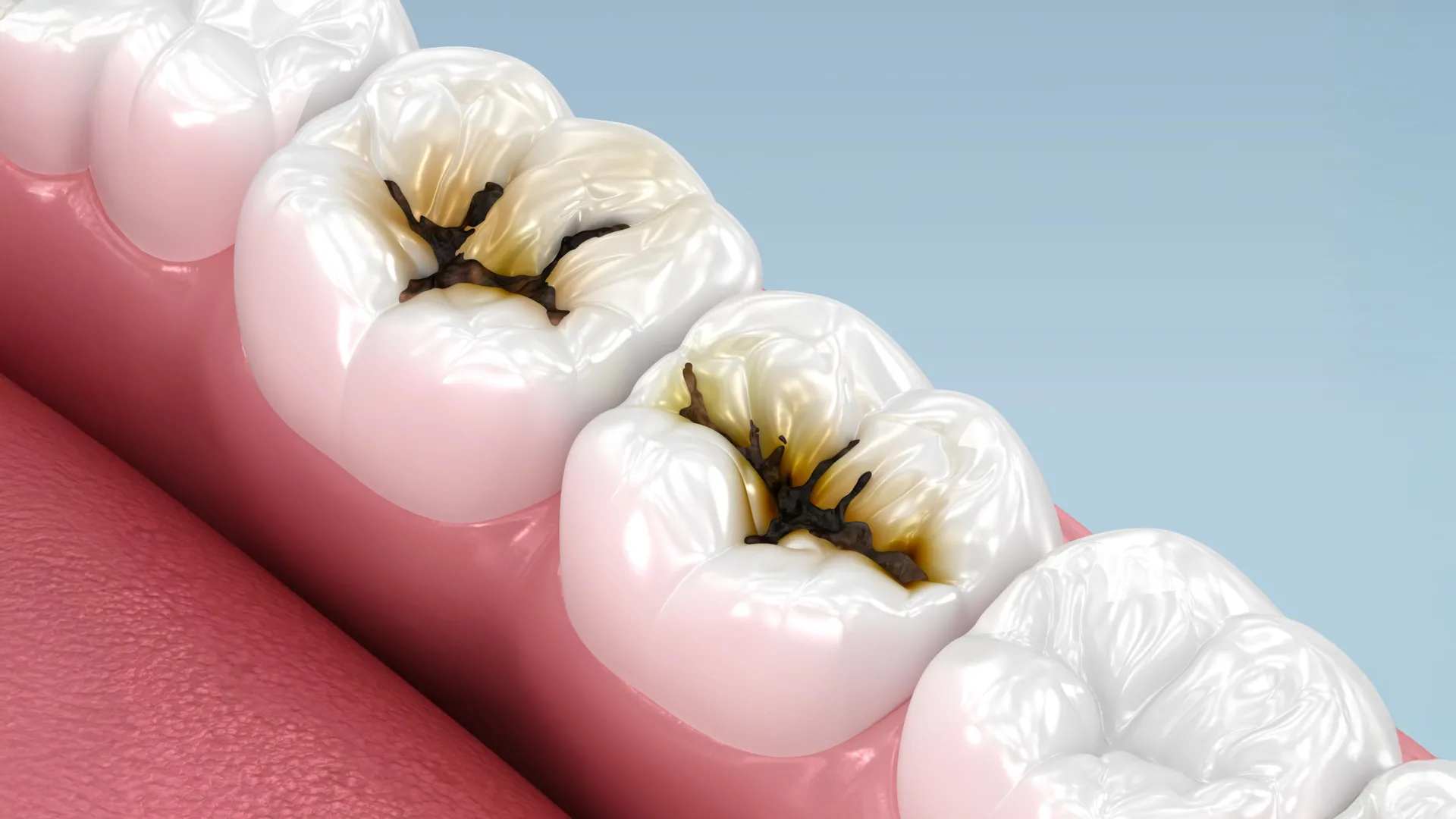
Silver diamine fluoride may offer a simple way to manage cavities in young children, potentially reducing emergency visits and the need for surgery under general anesthesia.
Clinicians can apply the low-cost liquid, commonly referred to as silver diamine fluoride or SDF, to a cavity with a small applicator in seconds. According to researchers, the approach can arrest decay without drilling, injections, or sedation.
A long-used treatment gains stronger evidence for silver diamine fluoride
SDF has been used for decades in many countries. In the United States, dentists have applied it off-label since 2014, when it received clearance as a medical device to reduce tooth sensitivity.
Until recently, large U.S. clinical trials to evaluate its safety and effectiveness for treating cavities had not been completed, evidence that would be needed for the Food and Drug Administration to consider approving SDF as a drug for tooth decay.
A Phase III clinical trial led by the University of Michigan has now provided those data.
The study, published in JAMA Pediatrics, enrolled 830 children under age 6 through dental practices, pediatric clinics, and Head Start and Early Head Start programs in Michigan, New York, and Iowa.
SDF stopped decay in many baby teeth
Researchers reported that 38% SDF arrested decay in more than half of affected primary teeth when reapplied every six months.
Conventional treatment typically requires removing decayed material and placing a filling. With SDF, clinicians paint the liquid directly onto the softened area without removing tooth structure.
“This is a very effective and safe treatment, even in children as young as 1,” said Margherita Fontana, professor at the University of Michigan School of Dentistry and the study’s lead investigator.
Tooth decay is the most common chronic disease in children, affecting more than 40 percent of U.S. kids. Untreated cavities can cause severe pain and infection, disrupt sleep and eating, lead to missed school, and trigger repeated medical visits.
A potential option for hard-to-treat patients
Fontana said silver diamine fluoride could be especially valuable for very young children, older adults, people with developmental or physical disabilities, and patients with significant dental anxiety. It may also benefit those with limited access to conventional dental care or who cannot tolerate standard procedures.
The treatment has a visible trade-off. The silver content permanently darkens the decayed portion of the tooth.
“If we want more children and families to benefit from this treatment, we need rigorous evidence showing both that it works and that it’s safe,” Fontana said, noting that carefully collected U.S. data can support broader implementation, including in medical settings.
The research began in 2018 and continued despite pandemic-related disruptions. “In medicine, clinicians want high-quality evidence before changing practice,” Fontana said, adding that pediatricians often see children years before a first dental visit, creating opportunities to treat cavities earlier.
Findings could support FDA approval
Fontana collaborated with researchers from New York University, the University of Iowa, and Indiana University, along with the National Institute of Dental and Craniofacial Research at the National Institutes of Health, which provided more than 12 million dollars in funding.
The trial generated the clinical data needed for a manufacturer to submit a dental caries drug application to the FDA. Elevate Oral Care supplied Advantage Arrest 38% SDF for the study.
Amr Moursi, professor of pediatric dentistry at New York University College of Dentistry and a co-principal investigator, said the results could expand access. “Our results support FDA approval of SDF for managing arrest of tooth decay in young children,” he said, adding that moving SDF beyond off-label use could boost provider adoption, insurer coverage, and product consistency.
A bridge or long-term treatment
For some children, reapplying silver diamine fluoride every few months may keep decay under control until the baby tooth is shed naturally. In adults, it could serve as a long-term measure or as a temporary option until a restorative procedure is feasible.
“For almost anyone, this can arrest the decay and stop the infection and the pain it causes,” Fontana said. “This could benefit many people.”
Tooth decay is also a concern well into adulthood, and researchers continue to study early warning signs and prevention across the lifespan, including for conditions such as colorectal cancer.