
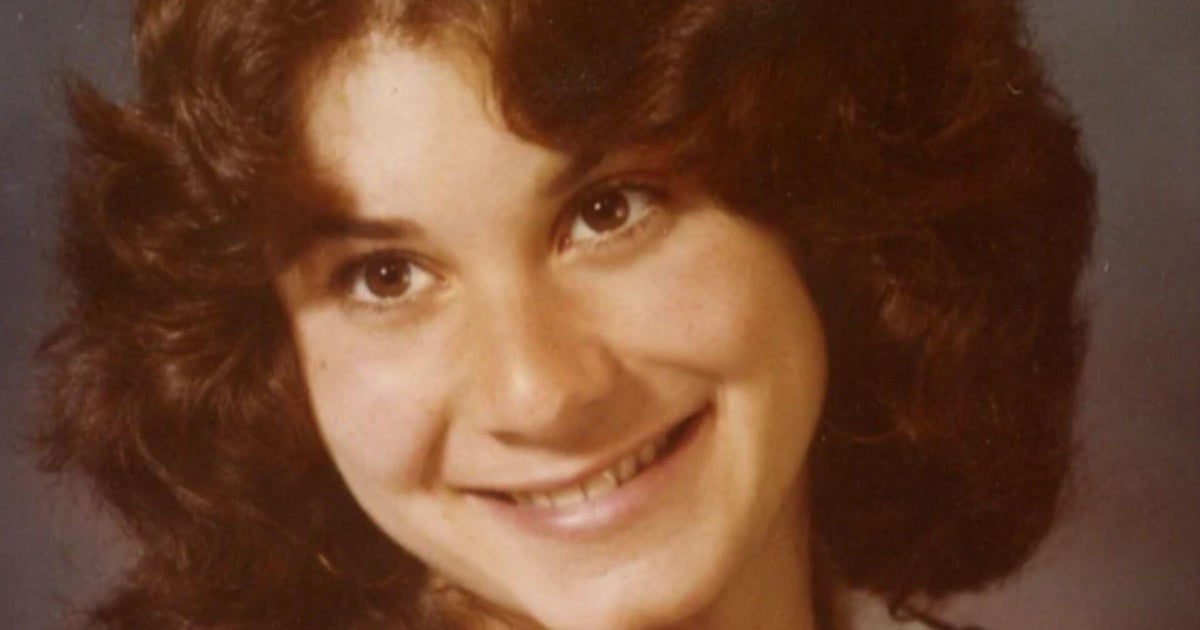
This story originally aired on May 3, 2025. The Steven Burns parole hearing has become a solemn ritual for the Salarno family, whose daughter, 18-year-old University of the Pacific freshman Catina Rose Salarno, was shot in the back of the head on her first day of college in 1979. Her parents, Harriet and Mike, and sisters, Regina and Nina, have spent decades keeping Catina’s memory at the center of a broader campaign for victims’ rights, while returning to each hearing determined to keep her convicted killer in prison.
It began with a midnight call to the Salarnos’ San Francisco home. Catina had been found on a campus sidewalk, unconscious and bleeding. The news that she died minutes after midnight shattered the family. A young patrol officer later recalled sitting with the teen’s body at the hospital until the coroner arrived, praying because he did not want her to be alone.
Ten years after the murder, the Salarnos were still navigating grief at their daughter’s grave, bracing for their first parole fight. Mike called that initial appearance in 1990 the first step in a long battle they never expected to wage.
CATINA SALARNO MEETS THE BOY ACROSS THE STREET
Catina met Steven Burns as a teenager after his family moved across the street in San Francisco. He was folded into the Salarnos’ lives. Mike offered mentorship and a job at his TV store, and the couple’s youngest daughter, Nina, idolized Burns, a star football player at an all-boys Catholic school. Catina and Burns began dating in tenth grade.
With hindsight, the sisters say there were warning signs. In Catina’s senior year, after she was accepted to the University of the Pacific, she wanted to end the relationship. According to Regina, Burns threatened to kill her if she left him. The sisters did not tell their parents, believing he would not harm the family that had embraced him.
Harriet later said they never imagined the young man across the street would murder their daughter.
ONE LAST ENCOUNTER
In September 1979, Catina moved into her dorm at the University of the Pacific, intent on pursuing her dream of becoming a dentist. The family was startled to find Burns and his family in the hotel lobby during move-in. He said he was also attending UOP. Mike told him to leave Catina alone.
Burns’ roommate remembered photographs of Catina covering Burns’ desk. Across campus, Catina’s new roommate said Burns came to their door and arranged a final meeting that evening. Catina expected it to be the last time.
A student out for a walk later found Catina on the sidewalk with a pool of blood around her head. She had been shot from behind. As first responders worked the scene, Burns returned to his dorm and watched Monday Night Football, according to his roommate.
Police searched the dorm but did not find a gun. Burns, who initially told police he had not met Catina that night, was released. After learning of earlier threats, detectives arrested him two days later at his San Francisco home. The gun was never recovered. The family later learned a handgun had been stolen from Mike’s store weeks before the killing.
A MURDER AND A BETRAYAL
Grief fractured the family. Mike blamed himself. Regina and Nina wrestled with guilt for not disclosing Burns’ threats. They later recounted an incident the night before move-in when Burns allegedly tried to climb to the sisters’ bedroom window, and they heard metal striking metal outside. They now believe he had a gun.
Six months after the murder, the 19-year-old defendant went to trial. Catina’s parents were barred from the courtroom, even as 14-year-old Nina testified without a support person, a stark example of limits on victims’ rights at the time. Jurors convicted Burns of second-degree murder, not premeditated first-degree murder. He was sentenced to 17 years to life with the possibility of parole.
A decade later, to the Salarnos’ shock, Burns became eligible for parole. In 1990, they opposed release, saying the sentence felt like a promise that he would remain behind bars for life. The board denied parole but scheduled another hearing in two years, setting a cycle that would repeat for decades.
FIGHTING FOR VICTIMS’ RIGHTS
For nearly 46 years, the Salarnos have visited Catina’s grave weekly. After Mike’s death from cancer in 2013, Harriet and her daughters tended both graves and renewed their pledge to attend every hearing. By January 2025, they were preparing for their 13th appearance.
The tragedy reshaped their lives. Regina became a nurse, determined that no one die alone. Nina, traumatized by testifying as a child, became a prosecutor specializing in domestic violence and later a district attorney in Modoc County. Harriet founded Crime Victims United, which advocates for laws strengthening victims’ voices. In California, victims now can deliver impact statements at sentencing. Parents may attend trials even if they are witnesses. Children must be accompanied by a support person when testifying.
The family argues Burns remains dangerous. A deputy district attorney said Burns changed his account repeatedly over the years, at times claiming Catina produced the gun despite evidence the weapon had been stolen from Mike’s store. In 2016, Burns told commissioners he became very angry, pulled a gun, and shot Catina, but continued to deny stalking or planning to kill her if she refused to reconcile. A complaint from an instructor in prison described his behavior toward her as disturbing and manipulative, according to hearing records.
Others believe he deserves a second chance. A formerly incarcerated counselor who knew Burns in prison said Burns completed education, hospice work, and anger management programs and, after years of denial, began speaking more candidly about the crime. He described Burns as emotional when recounting the moment Catina rejected him. The counselor said Burns later acknowledged that leaving without seeking help was cowardly.
A parole advocate who reviewed recent transcripts but has not met Burns noted legal changes that could favor him, including youth offender considerations for crimes committed at 18 and eligibility for elderly parole at 63. He said data show people released from life sentences are among the least likely to reoffend, though he acknowledged persistent family opposition can influence boards.
STEVEN BURNS’ 13th PAROLE HEARING
At 92, Harriet still works daily at Crime Victims United, assembling photos and records with Nina to present to commissioners. On the day of the 2025 hearing, the family and supporters gathered at the San Joaquin County District Attorney’s office in Stockton to join by video.
During the proceeding, observers said Burns spoke in a flat tone and again denied planning to kill Catina or previously threatening her. After nearly four hours, commissioners deliberated, then returned with their decision.
They found Burns unsuitable for release, citing very little change in the factors that led to the murder and to troubling conduct in prison. The denial was set for five years. Even a counselor who had supported Burns’ progress later said the transcript showed he was not ready.
Four days later, on what would have been Catina’s 64th birthday, Harriet and Nina visited the gravesite and shared the news of the five-year denial. Burns is expected to appear before the parole board again in 2030.
Editor’s note: A parole expert said that for at least 25 years in California, incarcerated people are commonly instructed to direct remarks to commissioners rather than to victims’ families, a practice intended to avoid any feelings of intimidation for families.
For more coverage of justice system debates, see Jim Jordan referral seeks DOJ probe of ex-counsel Jack Smith.