
A national survey from Marquette University Law School published Wednesday finds inflation and cost of living are the most pressing concerns for Americans, with the national economy ranking next.
Researchers said shifts across several measures of household finances since January help explain why these issues continue to dominate public priorities.
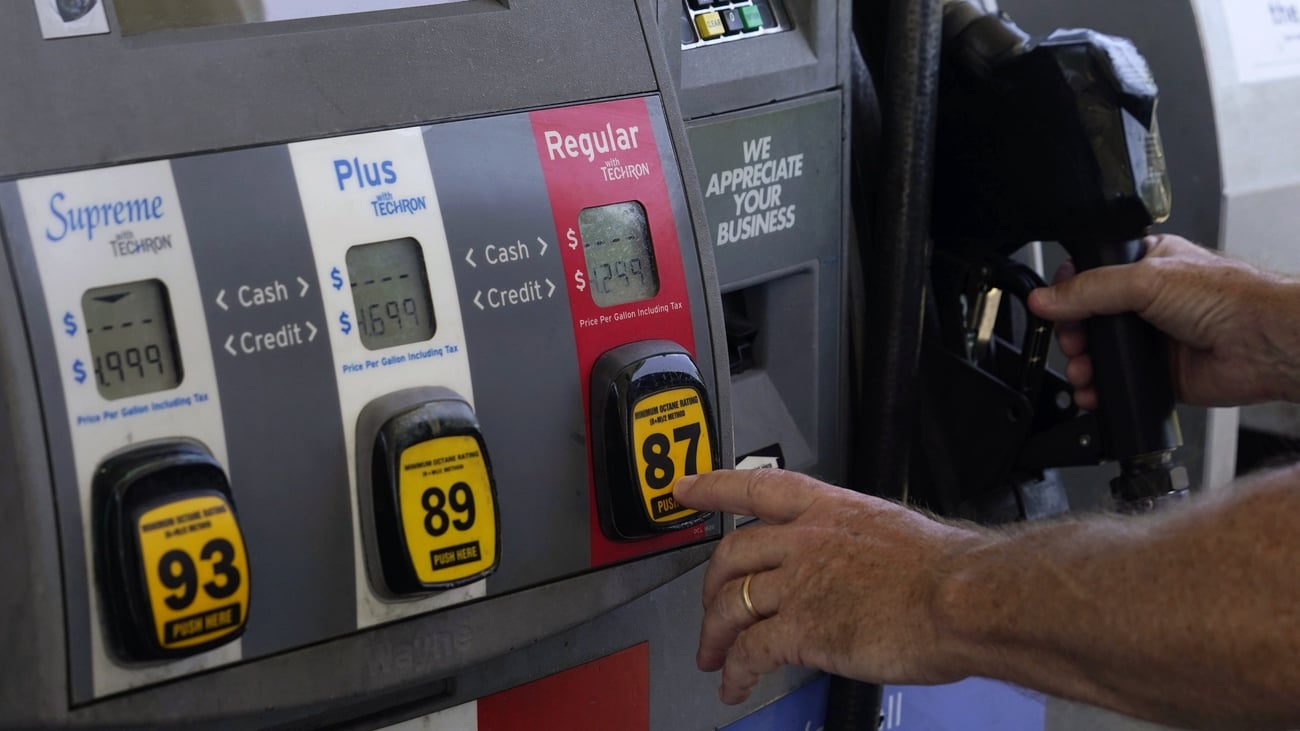
Gasoline prices surged in April and have remained volatile amid renewed conflict in the Middle East, according to the survey. Prices eased in early July, then jumped again as tensions flared.
Respondents also reported persistent dissatisfaction with the war with Iran. While the share naming the conflict as their top concern fell from 24% in April to 10% in July, views of U.S. progress in the war grew more negative in each poll since April.
Nearly 80% of adults surveyed said their grocery bills have risen over the past six months. Looking ahead, 69% expect inflation to increase over the next year and 19% think it will hold steady.
The poll found declining approval of President Donald Trump’s handling of the economy and inflation. Views of the administration’s foreign policy and tariff actions also trended downward, while its approach to border security and immigration drew comparatively higher support.
On Monday, 25 Democratic-led states filed suit against the administration over tariffs on goods from 60 U.S. trading partners. Although intended to bolster domestic industry, research from the Kiel Institute for the World Economy indicates U.S. importers and consumers absorb 96% of the tariff costs, adding to price pressures.
Public skepticism about the costs of data centers remains elevated. More than 70% of respondents in July said the costs outweigh the benefits, consistent with Marquette Law School Poll findings since January.
Inflation and cost of living shape election outlook
The survey, conducted July 22-29 among 1,076 adults nationwide, including 886 registered voters, aligns with other recent polling that shows economic concerns are driving voter choice for congressional races.
“Inflation has improved, but affordability has not,” Conference Board senior U.S. economist Yelena Shulyatyeva wrote in the group’s July outlook, noting that housing, insurance and financing remain costly and that cumulative inflation has permanently raised prices for many essentials.
The Marquette results point to a closely contested November. In the congressional ballot test, 46% said they plan to support the Democratic candidate and 44% the Republican candidate.
Democrats reported higher enthusiasm about voting than Republicans or independents, which the survey notes can lift turnout. Enthusiasm and certainty to vote have varied across polls this year and could shift as general election campaigning intensifies in the fall.
The stakes are high, with control of both chambers of Congress on the line.
The stakes are high, with control of both chambers of Congress on the line.
The survey, conducted July 22-29 among 1,076 adults nationwide, including 886 registered voters, aligns with other recent polling that shows economic concerns are driving voter choice for congressional races.
“Inflation has improved, but affordability has not,” Conference Board senior U.S. economist Yelena Shulyatyeva wrote in the group’s July outlook, noting that housing, insurance and financing remain costly and that cumulative inflation has permanently raised prices for many essentials.
The Marquette results point to a closely contested November. In the congressional ballot test, 46% said they plan to support the Democratic candidate and 44% the Republican candidate.
Democrats reported higher enthusiasm about voting than Republicans or independents, which the survey notes can lift turnout. Enthusiasm and certainty to vote have varied across polls this year and could shift as general election campaigning intensifies in the fall.
The stakes are high, with control of both chambers of Congress on the line.