
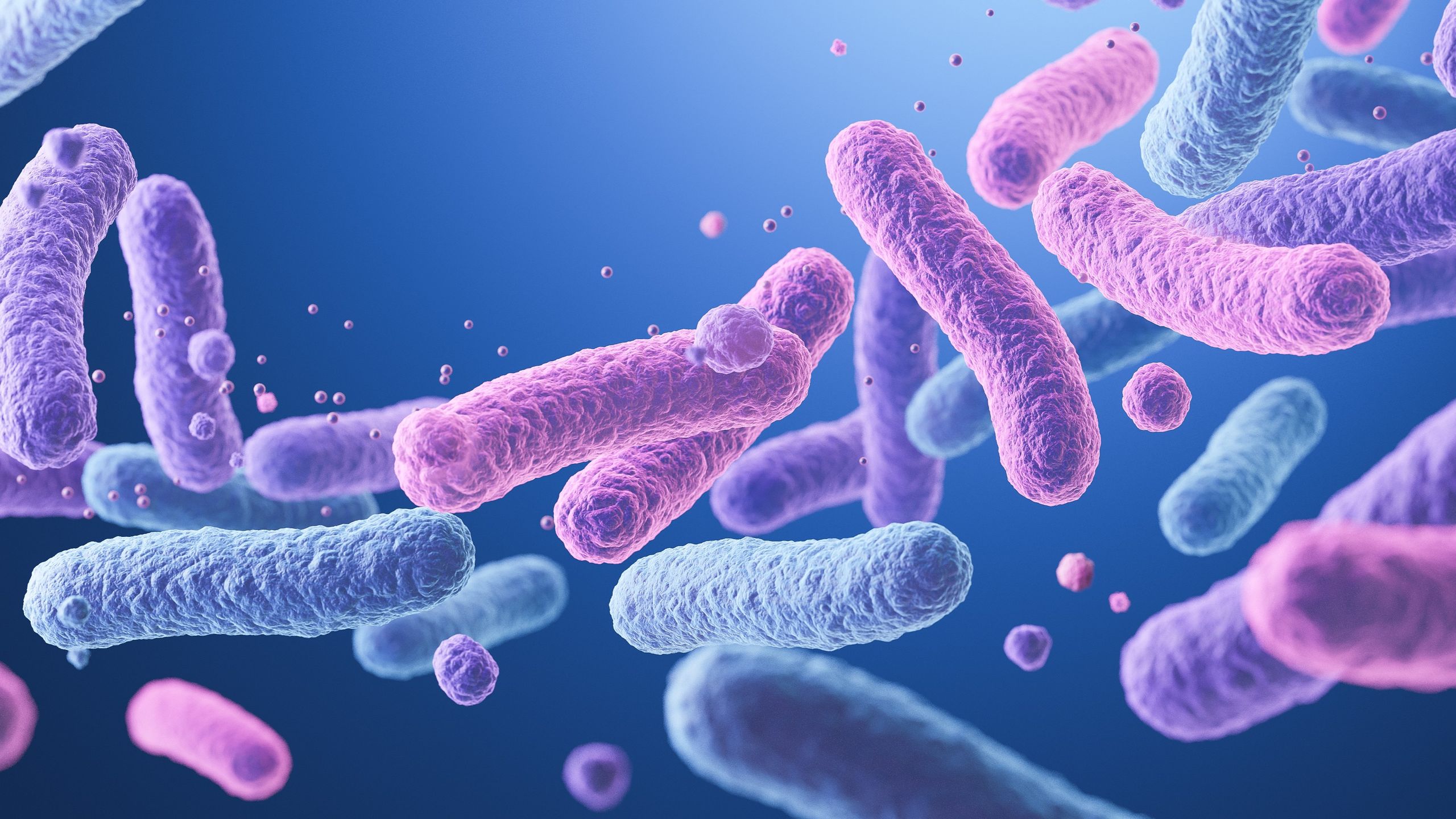
New research suggests the uterine microbiome may influence age-related fertility changes, indicating that shifts in bacterial communities in the uterus could affect how receptive the uterine lining is to an implanting embryo.
Fertility typically declines with age in part due to changes in egg number and quality. The uterus also becomes less receptive to embryos over time. According to the study, alterations in the uterine microbiome may contribute to this decline in receptivity.
In laboratory experiments, exposing aged mice and cultured human uterine cells to a specific species of Lactobacillus, a bacterial group commonly present in the reproductive tract, reduced markers of aging in the endometrium and improved embryo implantation. The same benefit appeared when cells and mice were treated with a particular byproduct of Lactobacillus.
How the uterine microbiome shifts with age
The findings, published Thursday, Aug. 6, in Cell Host & Microbe, point to the uterine microbiome as a potential target for therapies addressing age-related infertility. Experts not involved in the work cautioned that the results are preliminary and require validation in people.
“This is an interesting and promising approach, but we still do not know whether these findings will translate into meaningful improvements in human fertility,” said Dr. Alex Robles, a fertility specialist at Columbia University Fertility Center, who was not involved in the research.
Robles noted that the microbiome is shaped by many influences, including genetics, diet, geography, environmental exposures and lifestyle. He said it will be important to reproduce the findings across diverse populations before developing broadly applicable treatments.
To assess age-related patterns, the research team analyzed endometrial samples from 149 women ages 20 to 45 undergoing fertility treatment in China. Older participants had lower levels of potentially beneficial Lactobacillus, especially L. gasseri and L. crispatus, which are generally associated with a healthy reproductive tract.
Of these women, 93 later underwent in vitro fertilization, and 56 became pregnant. Those who conceived had higher levels of Lactobacillus in the uterine lining than those who did not. However, pregnancy rates were similar across age groups among those who underwent IVF.
A bacterial byproduct tied to endometrial receptivity
The team isolated five Lactobacillus species and tested their interactions with uterine cells. L. gasseri showed strong attachment to these cells, which correlated with reduced inflammation and lower oxidative stress. The bacterium also produced substantial amounts of exopolysaccharides, or EPS, a sugar-based molecule.
Researchers purified these sugars into a postbiotic they termed LG-EPS. Unlike probiotics, postbiotics are bacterial products and do not contain live organisms.
In older female mice, roughly analogous to middle-aged women, daily vaginal administration of either L. gasseri or LG-EPS for four weeks led to fewer signs of uterine aging, reduced inflammation and higher embryo implantation rates than in untreated mice. The team did not measure how much of each treatment reached the uterus.
When the scientists used a modified strain of L. gasseri that could not produce EPS, many benefits diminished, suggesting EPS played a central role. LG-EPS also lessened aging markers in artificially aged human uterine cells and improved their support for embryo implantation.
Further tests indicated the postbiotic likely acts by modulating a signaling pathway involved in cell growth and tissue repair. This pathway was overactive in aged mice and uterine cells, and treatment appeared to normalize its activity. Blocking a key protein in the same pathway eliminated the observed effects.
Early promise, but clinical use remains uncertain for the uterine microbiome
Robles said postbiotic approaches could be appealing because they may be easier to manufacture and standardize than live bacterial therapies. He suggested that, if confirmed in future studies, such treatments might be paired with IVF to help optimize the uterine environment prior to embryo transfer.
He cautioned against self-directed use of over-the-counter probiotics or supplements as fertility aids. The reproductive tract is a delicate ecosystem, and altering its microbial balance could have unintended consequences. He added that what defines a healthy uterine microbiome is not fully understood, so any intervention should proceed carefully.
This report is for informational purposes and is not a substitute for professional medical advice. Related research on how environmental exposures affect chronic conditions includes work on air pollution linked to rheumatoid arthritis flares.
Reference: Li, M., Li, S., Zheng, D., Liao, B., Niu, H., Wang, Y., Liu, X., Pan, H., Yu, Y., Zhou, P., & Li, R. (2026). Lactobacillus gasseri postbiotics ameliorate age-related decline in endometrial receptivity. Cell Host & Microbe.